

Mental Wellness in Retirement: From Bored to Active
Retirement marks a major life transition that can significantly impact mental health. While it often brings freedom from work-related stress and more time for hobbies, it may also lead to feelings of loss, isolation, or lack of purpose—especially if one’s identity was closely tied to their career.
A stable routine is essential. Many retirees experience a drop in structure, which can lead to disorientation or low mood. Creating a daily schedule that includes physical activity, social interaction, and meaningful tasks—like volunteering, learning, or caregiving—can help maintain a sense of direction.
Social connection plays a major role in mental well-being. After retirement, some people lose daily contact with coworkers, which can lead to loneliness. Actively seeking community through clubs, courses, or local events can help prevent isolation. Digital tools, such as messaging apps or video calls, can also bridge the gap with distant friends or family.
Mental health can also be affected by physical health. Chronic conditions or mobility issues may contribute to depression or anxiety. Staying active, eating well, and getting regular medical checkups are all vital for both physical and emotional balance.
It’s also important to be mindful of late-onset mental health conditions. If feelings of sadness, worry, or hopelessness persist, seeking professional help is a sign of strength, not weakness.
Finally, retirement is an opportunity to redefine personal goals. Whether it’s travel, creative pursuits, or mentoring others, embracing a sense of purpose can improve self-esteem and overall mental health. With the right mindset and support, retirement can be a deeply fulfilling and emotionally rich stage of life.
Points people over 60 face
Facing the reality of getting older and eventually dying is a natural part of the aging process. But we do not have to lose the perspective of finding meaning and purpose in life.
There are several emotional health points that people over 60 may face. These may include:
1. Adjusting to retirement and the loss of a daily routine
2. Coping with the loss of loved ones
3. Managing the demands of caring for us and losing independence
4. Contemplating one’s own mortality
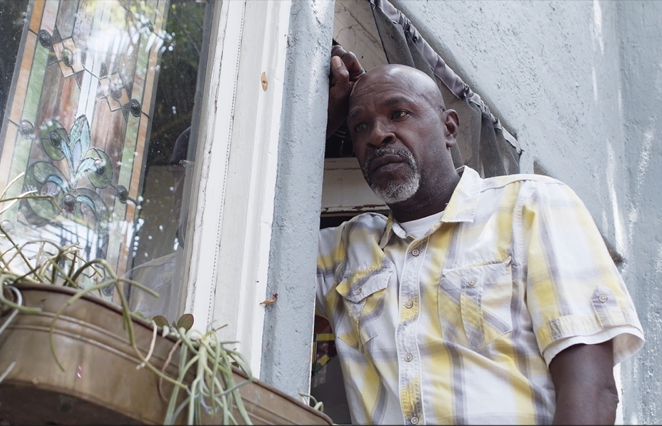
Joining a support group and staying connected, and finding activities that bring meaning and joy to life, will contribute to our emotional stability.
(See freetime and relationships)
We will work on how to make practical preparations, such as
1. Creating a will and
2. Settling an advance care directive
3. Advance-care options