
Staying Safe and Savvy: The Ultimate 60+ Checklist
Reaching 60 and beyond is about enjoying your time, your home, and your travels. However, a little “preventative maintenance” goes a long way. Here is a comprehensive guide to keeping your physical and digital life secure.
🏠 1. Securing Your Sanctuary
Your home should be your safest place. A few small adjustments can prevent major headaches.
- The “Speed Dial” List: Don’t wait for a leak to find a plumber. Keep a physical list on the fridge and saved in your phone for:
- Emergency Plumber / Electrician.
- Local Care/Health services.
- A trusted neighbor.
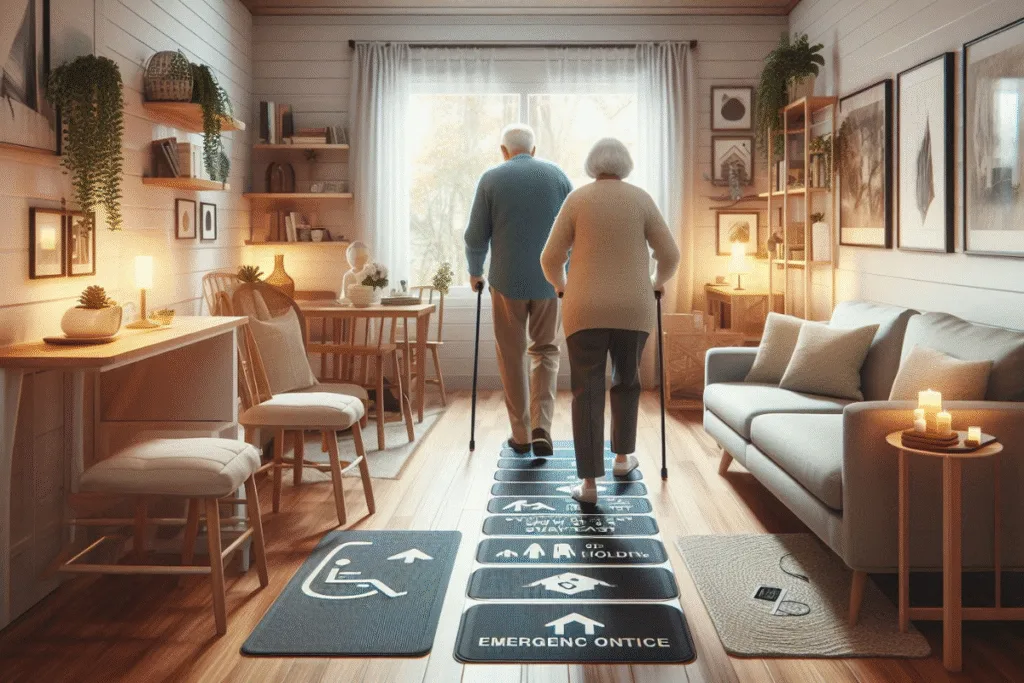
- Fall-Proofing: Do a “walk-through.” Secure loose rug edges, ensure stairs have sturdy handrails, and consider non-slip mats in the bathroom.
- The First Aid Refresh: Check your kit. Toss expired ointments and ensure you have plenty of sterile bandages and antiseptic.
Emergency Contact Sheet template ready to download
Keep this posted on the refrigerator or inside the front door.
💡 Pro-Tips:
- The “ICE” Trick: Save your primary contact in your mobile phone under the name “ICE” (In Case of Emergency).
- Medication List: Staple a list of your current medications and dosages to the back of this sheet.
🏠 Tech-Assisted Living (Without the Hassle)
Safety doesn’t have to mean “nursing home vibes.” Modern smart home tech is subtle and helpful.
- Voice Assistants: Tools like Amazon Alexa or Google Home can be lifesavers. If you fall and can’t reach your phone, you can simply shout, “Call 911” or “Call [Name].”
- Smart Lighting: Motion-activated nightlights in the hallway or bathroom prevent that disoriented “fumble in the dark” that often leads to trips.
- Water Sensors: Small, inexpensive sensors placed under the sink or near the water heater can alert your phone the second a leak starts, preventing a flooded home.
💻 2. Digital Defense
Cybersecurity isn’t just for techies; it’s a vital part of modern safety.
- Password Hygiene: Change your primary passwords annually. Better yet, use a Password Manager (like Bitwarden or 1Password) so you only have to remember one.
- The Power of Two: Enable Two-Factor Authentication (2FA) on your email and banking. This means even if someone gets your password, they can’t get into your account without a code sent to your phone.
🛡️ The “Digital Legacy”: Who Has the Keys?
We often think about physical wills, but our digital lives need a plan, too.
- Legacy Contacts: Platforms like Facebook and Apple allow you to name a “Legacy Contact.” This person can manage your account or retrieve photos if something happens to you.
- The “Master List”: Keep a physical paper (stored in a fireproof safe) or an encrypted digital file listing your main accounts. It’s not just about money; it’s about making sure your family can access precious memories and photos.
💳 3. Financial Fortress
Protect your hard-earned savings with these simple banking habits:
- Set Withdrawal Limits: Ask your bank to set a daily limit for online transfers. If you ever need to move a large sum, you can raise it temporarily.
- Emergency Access: Ensure a trusted family member or legal representative knows how to access your accounts in case of a medical emergency.
✈️ 4. Traveling with Confidence
Exploring the world is better when you have a “Plan B.”
- The Spare Bag Strategy: Keep a small, separate bag (hidden or in a hotel safe) containing a photocopy of your passport, an extra credit card, a bit of cash, and a spare phone if possible.
- Foreign Office Registration: Before heading abroad, register with your country’s foreign office or embassy “Smart Traveler” program. They can find you in case of natural disasters or civil unrest.
- Health on the Go: Always get travel insurance that covers pre-existing conditions and medical evacuation.
🥘 Travel: The “Eat & Drink” Safety Rule
For the 60+ traveler, a stomach bug is more than an inconvenience; it can lead to dangerous dehydration.
- The “Peel it, Cook it, or Forget it” Rule: When traveling to exotic locations, stick to fruits you can peel yourself and vegetables that are served piping hot.
- Hydration Strategy: Always carry electrolyte powder packets in your “spare bag.” If you do get a touch of food poisoning, these are much more effective than plain water.
🚗 5. On the Road
- Roadside Assistance: Ensure your emergency contact numbers for towing and insurance are saved under “ICE” (In Case of Emergency) in your phone contacts.
🏥 6. Health Preparedness
- The “Go-Bag”: Have a small suitcase ready for unexpected hospital stays. Include a change of clothes, a list of current medications, your insurance card, and a long phone charging cable.
- Routine Checks: Stay ahead of the curve with annual vision and hearing tests—both are key factors in preventing falls and accidents.
💊 The Hospital “Go-Bag” Essentials
We mentioned the suitcase, but let’s get specific. Most people forget the things that make a hospital stay bearable:
- The “Paper Trail”: A printed list of allergies and past surgeries. In a crisis, it’s hard to remember dates and names.
- Comforts of Home: A pair of your own non-slip slippers and an extra-long (10-foot) phone charging cable (hospital outlets are always in awkward places!).
- Earplugs and Eye Mask: Hospitals are notoriously bright and noisy; these ensure you actually get the rest you need to heal.
A Final Thought
Safety isn’t about restriction; it’s about peace of mind. By setting these systems up today, you can spend tomorrow focusing on what really matters.